Aug 13, 2026 · 5 min read · Itercycle Navigators
The Nutrition Coach’s Dilemma
I am now a Certified Nutrition Coach. I learned a lot of fascinating science and also was reminded why Itercycling beats traditional diets.
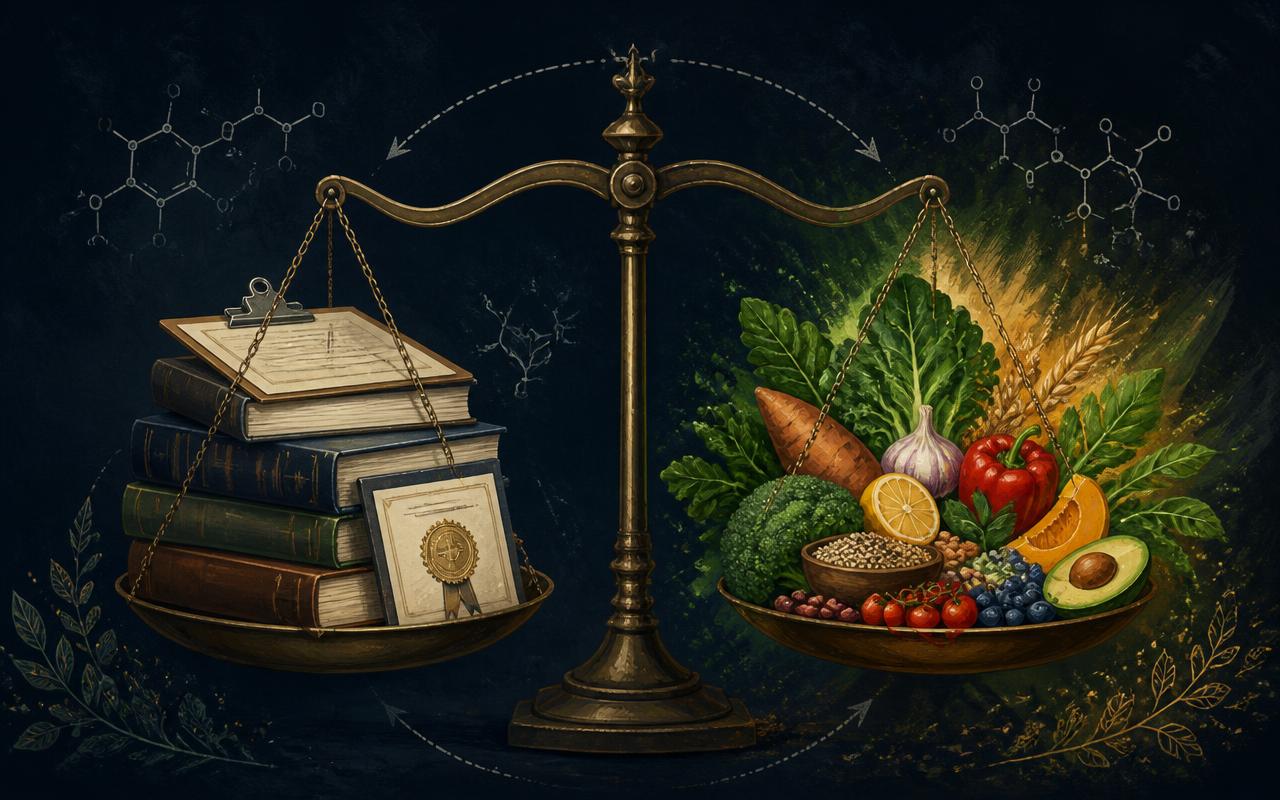
This morning, I passed the exam to become a Certified Nutrition Coach. It turns out I overstudied, but I didn't mind. Deep-diving into the science behind the biological processes we normally take for granted was genuinely fascinating. Learning how a nutrition coach is supposed to help real clients meet their eating goals, however, was a bit less impressive.
The core message of the curriculum boiled down to common sense: expend more calories than you consume. As long as a client gets enough protein, healthy fats, vitamins, and minerals, the specific framework doesn't much matter. Keto, low-carb, high-carb, or intermittent fasting will all yield the same result on paper if the energy math checks out. The glaring flaw in this textbook logic, of course, is that in the real world, traditional diets almost never work. Even when someone manages to struggle their way to losing weight, the odds are overwhelming that they’ll gain it all back. And as common sense tells us, the longer someone remains overweight, the harder it gets to tune their physical frame back to where it belongs.
So where does that leave me with my shiny new certification? Essentially, I’m now credentialed to hand clients a stack of textbook instructions that history proves they will almost certainly ignore.
Which begs the question: What is the actual point? Wouldn't it make far more sense to focus on creating a method that helps people succeed at eating better over time? Most people don't need another lecture on caloric balance, since they already know that healthy eating matters. The real friction isn't a lack of information. Rather, it’s the monumental gap between knowing what you should do and actually translating that knowledge into a sustainable, daily behavior. Handing someone a set of rigid nutritional rules is just another form of outsourcing control, and when the plan inevitably breaks, the client is left feeling helpless against their own default habits.
If we want people to stop fighting their own biology, we have to stop treating behavior change like an endurance test and start treating it like a vehicle you can actually enjoy driving. You’ve probably already realized what I’m describing here. It isn't a new diet trend. It's Itercycling.
Keep reading
Oct 13, 2026
What Logistics Can Teach Us About Plan A and Plan B
Plan A gives us direction. Plan B helps us keep going when life intervenes. Logistics offers a practical model for making meaningful change survive real life.
Aug 29, 2026
With Age Comes Wisdom — And How About Speed?
Physical decline is a choice that should be refused.